Broke, Brilliant, and Unbossed: How Indie Creators Are Actually Making It Work
Let me tell you something nobody in a corporate media boardroom wants you to know: you don't need them.
Not their budget. Not their distribution network. Not their approval. The myth that creative work requires institutional backing — that you need a publisher, a label, a streaming deal, or a venture-funded platform to reach people — is collapsing in real time. And the people doing the collapsing are zine makers, pamphlet printers, poet-activists, and scrappy one-person media operations running on passion, community, and a surprisingly functional economic model.
This isn't wishful thinking. It's happening right now, across the country, and the numbers are starting to back it up.
The Old Model Is a Trap
Here's the deal with corporate gatekeeping: it doesn't just control your distribution, it controls your message. The moment you accept a brand sponsorship, pitch to a major publisher, or chase algorithmic favor on a platform owned by a billionaire, you've handed over a piece of your editorial soul. Maybe a small piece at first. But it grows.
The independent creators who are actually thriving in 2024 figured this out early. They stopped asking permission and started building direct relationships with their audiences — the kind of relationships where money changes hands without a middleman skimming 30, 40, or 50 percent off the top.
That's the core insight driving what some are calling the zine economy: value flows directly from creator to community, and that community becomes the financial engine of the work.
Limited Editions and the Scarcity That Isn't Cynical
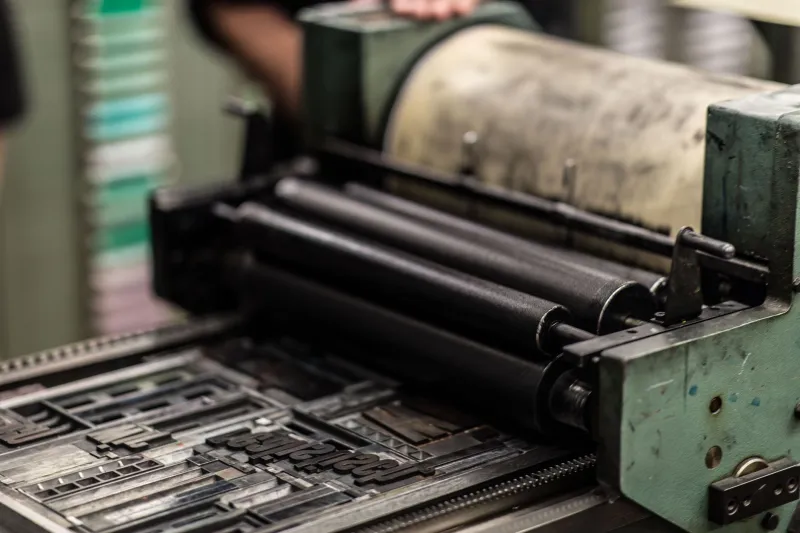
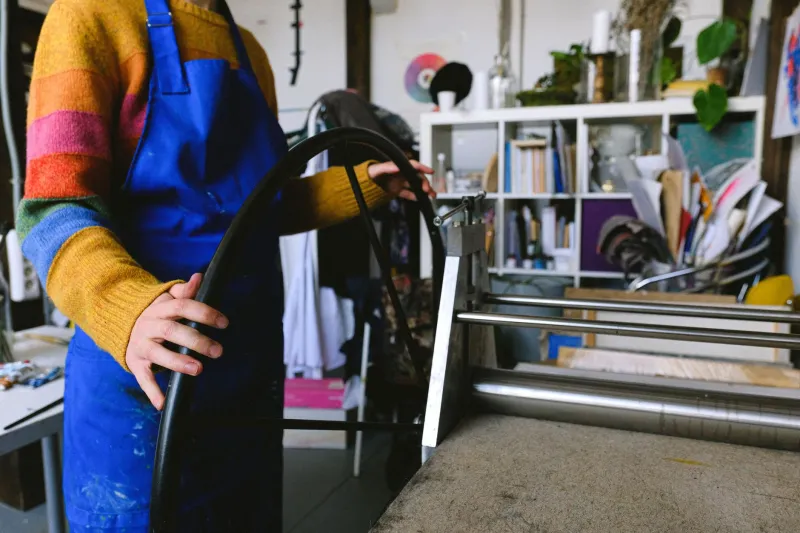
One of the most effective tools in the indie creator's toolkit right now is the limited-edition physical release. We're talking hand-numbered zines, risograph-printed chapbooks, screen-printed posters, hand-sewn pamphlets. Objects that feel like artifacts because they are.
Take Taína Asili, the Puerto Rican singer-activist based in upstate New York. She's built a career on refusing to separate art from politics, and her model reflects that — direct sales, community events, and physical releases that her audience treasures precisely because they're not mass-produced. Or look at the broader ecosystem around Microcosm Publishing out of Portland, Oregon, which has been putting out radical zines, books, and media for over two decades entirely outside the mainstream publishing apparatus. They're not a charity case. They're a functioning, growing operation.
Limited editions work because they create genuine scarcity — not the manufactured kind that tech companies fake to drive FOMO, but the real kind that comes from a human being making a finite number of things with their hands. People pay more for that. And they should.
Subscriptions Without the Sellout
Platforms like Patreon, Substack, and Bandcamp have gotten complicated — each has its own controversies, its own compromises — but the underlying model they popularized is sound: recurring direct support from an engaged audience.
The creators who make this work aren't chasing subscriber counts. They're building what you might call a membership community — people who pay monthly not just for content, but for access, for relationship, for the feeling of being part of something that matters. The financial sustainability comes from depth, not scale.
Consider what's happening in the independent journalism space. Writers who left legacy media outlets — sometimes fired, sometimes fed up — are rebuilding their audiences on direct subscription models and finding that a few thousand deeply committed readers can generate more stable income than a staff position at a publication that could fold or pivot to video at any moment. The trade-off is real: you're doing your own accounting, your own promotion, your own everything. But you're also answering to no one except the people who actually chose to support you.
Community Funding as Political Act
Here's where it gets interesting for those of us who care about more than just the economics.
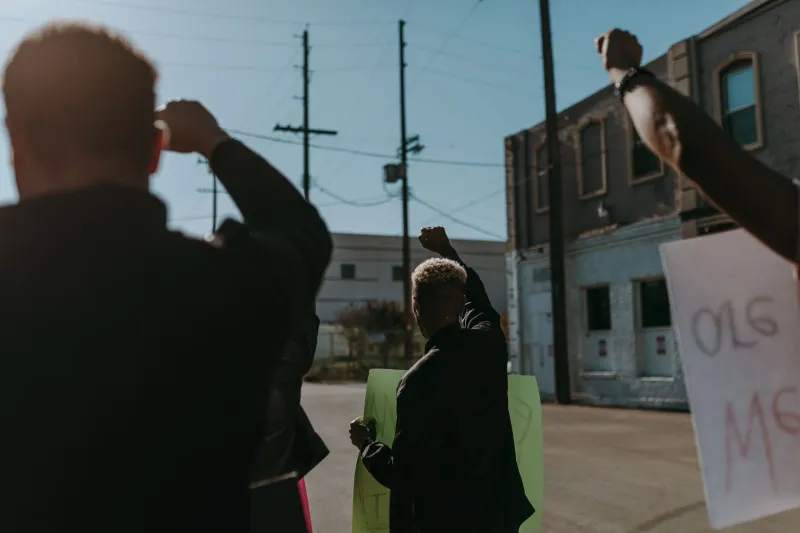
When an activist-artist builds a direct funding model, they're doing something politically significant. They're demonstrating that the community itself — not capital, not advertisers, not institutional patrons — can sustain critical creative work. That's a proof of concept with implications way beyond any individual creator's bank account.
The Food Not Bombs network, which has operated for decades on pure volunteer and community support, understood this intuitively. So did the Black Panther Party, which funded its newspaper through community sales and built one of the most widely distributed radical publications in American history. The zine economy isn't new — it's a revival, turbocharged by digital tools that make direct connection faster and cheaper than ever before.
When you buy a zine directly from a creator at a table in a church basement, or subscribe to a newsletter written by someone who's been in the streets, you're not just consuming content. You're voting with your dollars for a different kind of media ecosystem.
What Actually Works: The Honest Breakdown
So what are the financial strategies that actually hold up? Based on what's working for independent creators across the country right now, a few patterns emerge:
Diversify without diluting. The most sustainable indie operations combine multiple revenue streams — live events, physical sales, digital subscriptions, workshops — without letting any single revenue source dictate the work's direction.
Price your work like it's worth something. One of the most self-defeating habits in independent media is underpricing. A $5 zine that took you 40 hours to research, write, design, and print is not priced sustainably. Audiences who genuinely value your work will pay fair prices. The ones who won't aren't your community.
Build the list. Email remains the most reliable direct connection to your audience. Platforms come and go — algorithms change, companies get bought, policies shift. Your email list is yours. Protect it.
Collaborate laterally. The indie creators doing best aren't competing with each other — they're cross-promoting, co-publishing, sharing tables at fairs, and building a rising-tide ecosystem. The scarcity mindset is a corporate import. Reject it.
The Bigger Picture
I've spent years watching independent media get dismissed as marginal, as hobby-level, as not serious. What I'm seeing now is different. The marginal is becoming central. The scrappy is becoming sustainable. The unbought voices are reaching audiences that the bought ones have lost.
None of this is easy. It requires discipline, hustle, community, and a genuine belief that the work matters enough to fight for it financially. But the alternative — handing your creative and political vision over to an institution that will sand down every sharp edge — isn't really an alternative at all.
The zine economy isn't just about making art. It's about proving that independent thought can sustain itself. In 2024, that proof is more urgent than ever.