The Skeptic's Trap: Keeping Your Critical Thinking Sharp Without Falling Into the Rabbit Hole
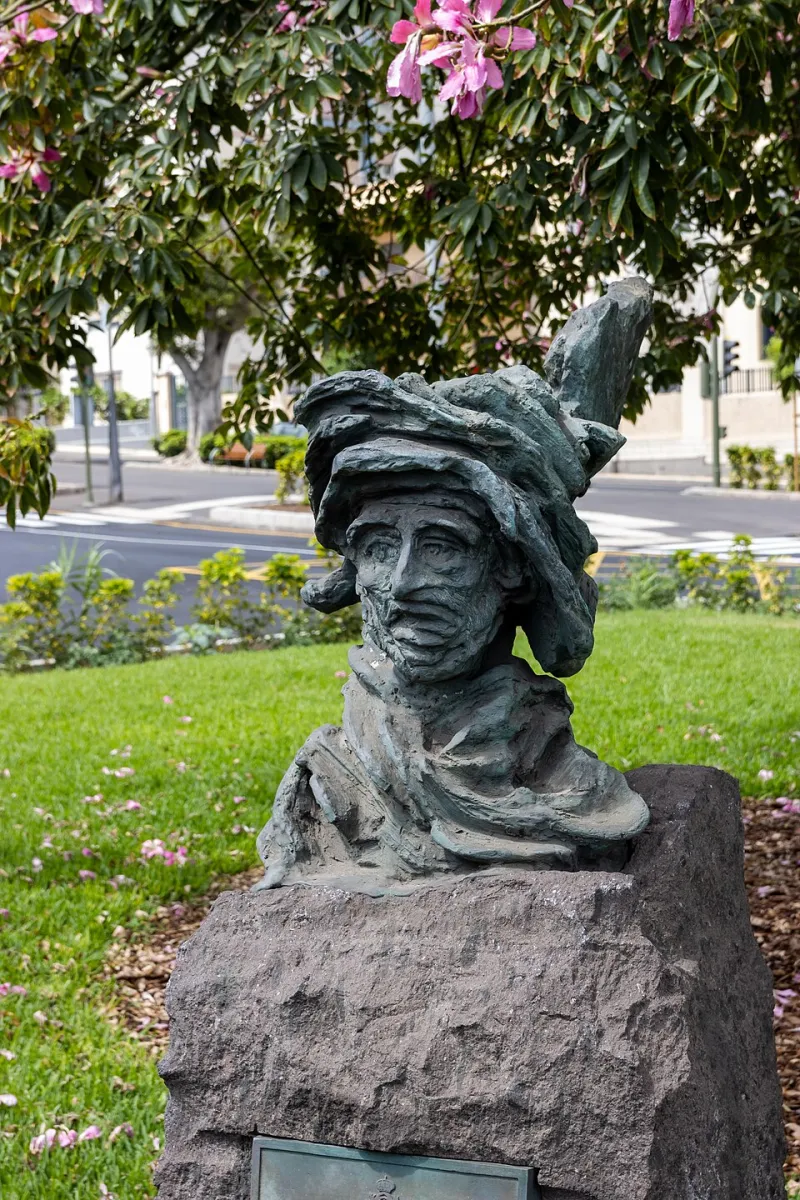
Photo: Historic1284747, CC BY-SA 4.0, via Wikimedia Commons
I want to have an uncomfortable conversation. Not about the establishment. Not about the institutions that absolutely deserve scrutiny — and they do, let's be clear about that. I want to talk about us. About the independent media space, the activist community, the people who pride themselves on asking the questions mainstream outlets won't ask.
Because we have a problem. And pretending we don't is its own form of intellectual dishonesty.
The problem is this: legitimate skepticism and conspiratorial thinking can feel identical from the inside. Both involve questioning official narratives. Both involve connecting dots that mainstream sources leave unconnected. Both can make you feel like you're seeing something other people are missing. The difference — and it's a crucial difference — is in the method, the evidence, and what you do when the evidence doesn't cooperate with your theory.
Why This Matters More Now Than Ever
Independent media has never had more reach or more responsibility. When a Substack writer or a podcast host reaches fifty thousand people, that's a genuine platform. When a documentary filmmaker self-distributes to hundreds of thousands of viewers, they have real influence. The old excuse that we're just small voices speaking truth to power gets harder to sustain when you actually have power — even modest power — of your own.
And the stakes of getting things wrong are real. Misinformation doesn't stay contained. It spreads, mutates, and causes harm in ways the original creator never anticipated or intended. I've seen it happen. I've watched people I respect go down roads that started with legitimate questions and ended somewhere genuinely dark — and drag audiences with them.
That's not what critical thinking looks like. That's something else.
What Critical Thinking Actually Requires
Real critical thinking — the kind that produces actual journalism, actual accountability, actual truth — has some specific characteristics that separate it from conspiracy thinking.
It follows evidence, not narrative. This sounds obvious but it's harder than it sounds. When you've already developed a theory about what's happening, every new piece of information gets filtered through that theory. Confirming evidence feels significant; disconfirming evidence gets explained away or ignored. The technical term for this is confirmation bias, and every human brain is susceptible to it. The discipline is in actively seeking out the evidence that would disprove your theory and taking it seriously when you find it.
It distinguishes between what we know, what we suspect, and what we're speculating about. Good investigative journalism is explicit about the difference between documented facts, reasonable inferences, and open questions. Conspiracy thinking tends to collapse these categories — speculation becomes fact, inference becomes certainty, and questions become conclusions.
It's willing to be wrong. This is maybe the hardest one. When you've built a following around a particular line of inquiry, admitting you got something wrong is genuinely costly. But it's essential. The credibility of independent media depends on being willing to correct the record, to say I was wrong about that, to follow the evidence even when it leads somewhere inconvenient.
The Responsibility That Comes With a Platform
Here's something I think about a lot: the people who are most likely to be harmed by misinformation are often the people who are already most marginalized. When independent media gets something wrong about a health topic, a political situation, or a social movement, it's rarely the well-resourced people who bear the consequences.
That's a sobering thing to sit with. It means that the ethical stakes of intellectual honesty aren't just about your credibility or your reputation. They're about the actual impact your work has on real people's lives.
This doesn't mean pulling punches or avoiding controversy. Legitimate investigative journalism is inherently uncomfortable. It challenges powerful interests. It asks questions that institutions would prefer you not ask. All of that is necessary and good. But it needs to be grounded in the actual discipline of evidence-based inquiry, not the emotional satisfaction of having cracked the code.
Some Practical Checkpoints
If you're doing independent journalism or activist media work, here are some honest questions worth asking yourself regularly:
Can I point to primary sources for my central claims, or am I relying on secondary interpretations of secondary interpretations? When I find evidence that complicates my argument, what do I do with it? Am I presenting this as more certain than the evidence actually supports? Would I apply the same level of scrutiny to a claim that supports my existing worldview as I would to one that challenges it? If I'm wrong about this, how would I know?
These aren't gotcha questions. They're the basic hygiene of honest inquiry. Asking them doesn't make you a sellout or a defender of the status quo. It makes you someone whose work can actually be trusted.
Skepticism Is a Tool, Not an Identity
Maybe the most important reframe is this: skepticism is a method, not a personality. When it becomes an identity — when being the person who questions everything becomes more important than actually getting at the truth — it stops being useful and starts being its own kind of dogma.
The goal isn't to be the most skeptical person in the room. The goal is to be the most accurate person in the room. Sometimes that means challenging the official story. Sometimes it means challenging the alternative story. The willingness to do both, consistently and honestly, is what separates real critical thinking from its more comfortable imitations.